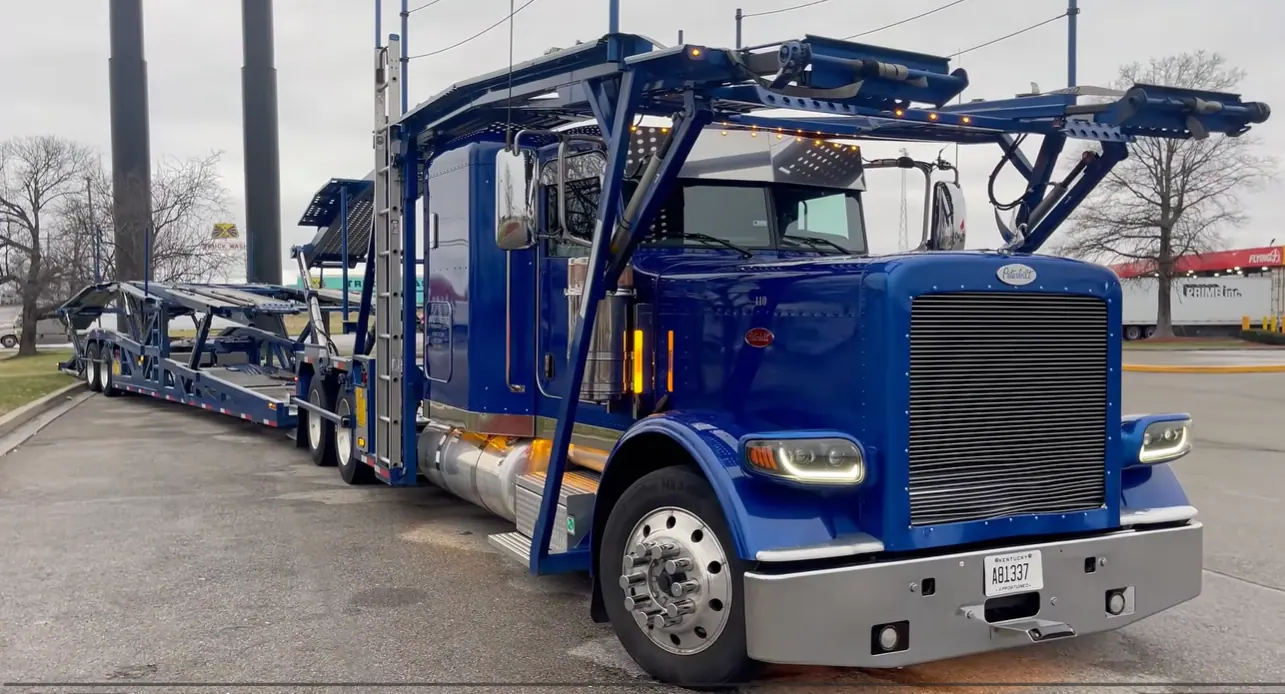
Across the US
Ship a car from New York to California
The classic coast-to-coast move: about 2,800 miles from the five boroughs to the Pacific. The carrier picks the route that suits the season.
- Distance
- 2,750–3,000 mi
- depends on exact addresses
- Typical transit
- 7–10 days
- after pickup; not a guarantee
- Open transport
- $1,150–$1,775
- typical market range, sedan
- Enclosed transport
- $1,675–$2,750
- about 1.5× open
- Main corridor
- I-80, I-70 or I-40 west
- Busiest months
- May–September moves
The coast-to-coast move
New York to California is the longest common domestic lane, and almost everyone on it is moving: a job offer in Los Angeles or the Bay Area, a graduate program, a return home after years in the city, or a household trading Manhattan rent for California space. A lot of New Yorkers don't keep a car at all; the ones who do often have one garaged on Long Island, in Westchester or in the outer boroughs, and that's the car that goes west.
It runs roughly 2,750 to 3,000 miles depending on the corridor and whether the car ends up in Southern or Northern California. Driving it is at least five full days, more like a week with sensible stops. Shipping turns that into a six-hour flight.
New York to California car shipping: pricing and time examples
Typical market ranges for a standard sedan on an open carrier, with enclosed alongside. Distances are approximate driving miles; transit is days on the truck after pickup.
| Route | Distance | Open | Enclosed | Transit |
|---|---|---|---|---|
| New York City, NY Los Angeles, CA Most popular | 2,790 mi | $1,125–$1,750 | $1,625–$2,725 | 6–8 days |
| Brooklyn, NY San Diego, CA | 2,800 mi | $1,125–$1,750 | $1,625–$2,725 | 6–8 days |
| Hempstead (Long Island), NY San Francisco, CA | 2,950 mi | $1,150–$1,825 | $1,675–$2,825 | 6–9 days |
| Buffalo, NY Sacramento, CA | 2,620 mi | $1,075–$1,650 | $1,550–$2,550 | 6–8 days |
| Albany, NY San Jose, CA | 2,950 mi | $1,150–$1,825 | $1,675–$2,825 | 6–9 days |
| Rochester, NY Los Angeles, CA | 2,630 mi | $1,075–$1,675 | $1,550–$2,600 | 6–8 days |
| White Plains, NY Irvine, CA | 2,800 mi | $1,125–$1,750 | $1,625–$2,725 | 6–8 days |
Get your exact New York to California price
Estimates, not quotes. Ranges reflect publicly advertised rates for a standard sedan on an open carrier as of November 2026. Enclosed transport typically runs about 1.5× the open rate, and SUVs and pickups usually add $100–$200. Your all-in price depends on the exact addresses, the vehicle, the season and carrier availability on your dates.
Three cross-country corridors
Carriers choose among three east-west interstates, and the season usually decides:
- I-80: across Pennsylvania, Ohio, Indiana, Illinois, Iowa and Nebraska, over the Wyoming high plains, through Salt Lake City and Reno, and over Donner Pass into Sacramento and the Bay Area. It's the most direct line to Northern California.
- I-70: through Columbus, Indianapolis, St. Louis and Kansas City, across Kansas to Denver, then over the Rockies via the Eisenhower Tunnel and Vail Pass into Utah, where trucks pick up I-15 toward Las Vegas and Los Angeles.
- I-40: a southern sweep through Knoxville, Nashville, Memphis, Oklahoma City, Amarillo, Albuquerque and Flagstaff to Barstow. It avoids the highest passes, so it's the usual winter choice for cars going to Southern California.
Wyoming's I-80 is known for wind and winter closures, Colorado's mountain stretch of I-70 enforces chain and traction laws for trucks in snow, and Donner Pass can require chains on the way into California. That's why winter shipments often shift south to I-40, and why a cross-country delivery estimate always comes with a little slack in December through March.
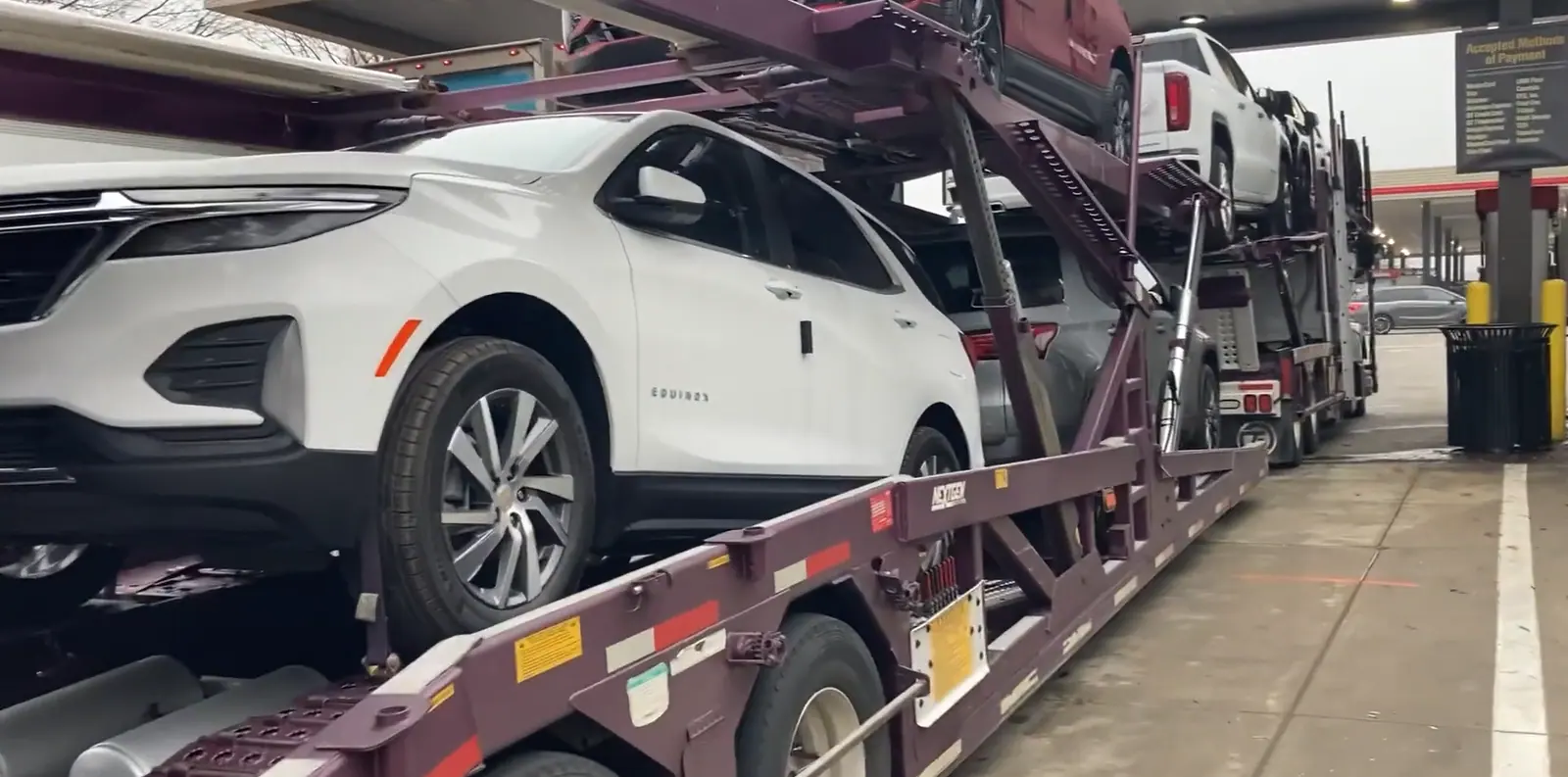
When people move west
This lane runs year-round. Volume builds from May through September, when leases turn over in both cities, school years end and new jobs start. Late summer, when students head to California universities, adds another bump. Winter moves are quieter but slower to schedule precisely, because of the mountain weather in the middle of the country.
- Line it up two to three weeks out for a summer move; carriers plan a cross-country load earlier than a regional one.
- Tell us your hard date, such as a lease start or first day at work. If the car needs to be in California by then, expedited shipping prioritizes your pickup. It can't change how many miles a driver may legally cover in a day.
- Winter shipments do best with a pickup window of several days, so the carrier can wait out a storm rather than drive into one.
Best time of year to ship a car from New York to California
How the market usually moves on this lane through the year, relative to its own average, and how far ahead to book in each window.
Spring and early summer
+5–10%
April–July
Moving season: families, corporate relocations and dealer traffic keep this the firmest stretch for carrier space.
Book 2–3 weeks ahead.
Late summer and fall
5–10% below
August–October
The softest stretch of the year on relocation lanes: good availability and the friendliest pricing.
Book about a week out.
Holidays
≈ average
November–January
Demand firms briefly around the holidays, then settles. Winter weather on mountain stretches is the wildcard.
Book 7–10 days ahead.
Late winter
≈ average
February–March
Demand builds steadily toward the spring moving season; standard booking windows apply.
Book 1–2 weeks ahead.
The cheapest window on this lane
September through November, with a flexible pickup window. Flexible dates let us match your car to a truck already running the route.
How long does New York to California car shipping take?
Transit starts at pickup, not at booking. Add 1–3 days for carrier dispatch between booking and pickup, and closer to 2–5 days in this lane's busy season.
- New York to California transit after pickup
- 7–10 days
- Carrier dispatch between booking and pickup
- 1–3 days
- Typical total window, booking to delivery
- 8–13 days
The 500-mile rule. Once loaded, a car hauler covers roughly 350–500 miles a day between stops, within federal limits on driving hours. New York City, NY to Los Angeles, CA (about 2,790 mi) typically runs 6–8 days after pickup. Weather and other customers' stops can add a day.
Request your quote
Two ZIP codes, the vehicle and your dates. You get one all-in price.
Book the lane
Reserve a pickup window. Two to four flexible days gets the best match.
Carrier dispatch
A vetted carrier already running California-bound is assigned, usually within 1–3 days.
Transit to California
7–10 days on the truck, with updates from us along the way.
Delivery in California
The driver calls ahead; you inspect against the pickup report and sign.
7–14
days ahead: the booking sweet spot
Booking one to two weeks ahead gets the best match on this lane, and three to four weeks in its busy season. A flexible pickup window prices lower than a fixed date.
See your New York to California priceOpen or enclosed across the country
Open carriers handle most of the cars on this lane, and for a daily driver that makes sense. Nearly 3,000 miles of interstate does mean real exposure: road salt if the trip starts in winter, mountain weather in the middle, and desert dust at the western end. Budget for a wash and a careful look at delivery.
This is the lane where enclosed transport pays off most often: for a classic, a high-value car, fresh paint, or a car that's spent its life in a Manhattan garage and has never seen a salted road. Enclosed trucks run coast to coast less often, so give them more lead time.
Pickup in New York
A car carrier and Manhattan traffic don't mix well, so New York pickups are planned around where the truck can legally stop for 20 or 30 minutes:
- Garaged cars in Manhattan: ask the garage to have the car ready at opening, then meet the driver on a wide avenue or a West Side commercial block early in the morning.
- Street-parked cars in Brooklyn and Queens: look up which side of the street is legal on pickup day. The loading spot is usually on a commercial strip or service road near the BQE or the LIE, not on the residential block.
- Staten Island and the Bronx: often the easiest pickups in the city, with more curb space near the expressways.
- The suburbs north and east of the city: parkways are off-limits to trucks, so carriers approach on the LIE, I-87, I-287 or I-684. Most driveways in Nassau, Suffolk and northern Westchester work; otherwise a nearby lot does.
Borough-by-borough detail is in the New York car shipping guide.
Delivery in California
Southern California deliveries usually arrive via I-15 or I-40 through the Inland Empire. Los Angeles hillside streets, canyon roads and apartment garages usually force a boulevard handoff, while the Valley, the South Bay and Orange County are more forgiving. Bay Area deliveries come over the Sierra on I-80, and San Francisco's steep, permit-parked streets usually call for a meeting point, while the Peninsula and East Bay suburbs are easier. The Los Angeles guide and Palm Springs page cover local delivery.
Once you've settled in, plan to re-register the car in California. New residents generally have 20 days, and most gasoline cars need a smog check along the way. The DMV's current rules are the ones that count.
New York to California: lane questions
How long does it take to ship a car from New York to California?
Which route will my car take?
Is enclosed transport worth it coast to coast?
Can my car be picked up from a Manhattan parking garage?
Can I get the car to California faster?
Can I ship a car I keep on Long Island?
Cities on this lane
All citiesServices for this lane
All services- Enclosed transportWalls, a roof and a smaller load. For the cars you'd rather not expose to a thousand miles of weather, grit and road spray.
- Expedited shippingWhen the date can't move, we put a stronger offer in front of carriers on your lane so your car gets picked up sooner. Here's what that can and can't do.
- Corporate relocationYour employee's car arrives about when they do, the invoice goes to the company, and nobody in HR has to chase a truck driver.
Similar lanes
All routesRead before you book
All guidesCross the country without the week-long drive
Tell us the New York pickup, the California destination and your move date. One price, coast to coast.