How car shipping works with Tailwind
Six steps from quote to keys, with what happens at each one and what you can do to make it go smoothly.
The whole process in one minute
You tell us where the car is, where it's going, what it is and when it's ready. We price the trip as one all-in number, you book a pickup window, and we match your car with a carrier partner that's already running that lane. A driver inspects the car with you and loads it, the car travels with other vehicles on the same truck, and at the other end you check it against the pickup report and sign. The details below are what happens inside each of those steps, and what you can do to make each one smoother.
Step 1: Your quote
A quote needs five things: the pickup and delivery ZIP codes, the year, make and model, whether the car runs, whether you want an open or enclosed carrier, and the first date the car can go. Anything unusual belongs in the notes: a lift kit, a roof box, a gated community, a date that can't move, a second vehicle.
The number you get back covers door-to-door transport and the carrier's cargo insurance while the car is in its care. It isn't a teaser. If a detail would change the price, we ask about it before you book rather than letting a driver discover it on pickup day. The pricing page explains what moves the number.
Step 2: Booking
When you accept the quote, you choose a pickup window rather than a single day. A window of two to four days gives us more carriers to choose from, which is the single biggest thing you can do to get a good schedule. Your confirmation lists the price, the window, both addresses, the contact at each end, and the payment and cancellation terms.
Step 3: Matching your car with a carrier
This is the part you don't see, and it's most of our job. Your shipment is matched with a carrier partner that is already running your lane in your window. Before any carrier is assigned, we confirm its operating authority with the Federal Motor Carrier Safety Administration and check its insurance certificate. Then we send you the carrier's name and the driver's contact information so you know who is coming.
If you've wondered who actually moves your car, the broker vs carrier guide explains the roles. Short version: we arrange and manage the shipment, and an independent, FMCSA-authorized carrier performs the transport.
Step 4: Pickup and inspection
The driver calls ahead
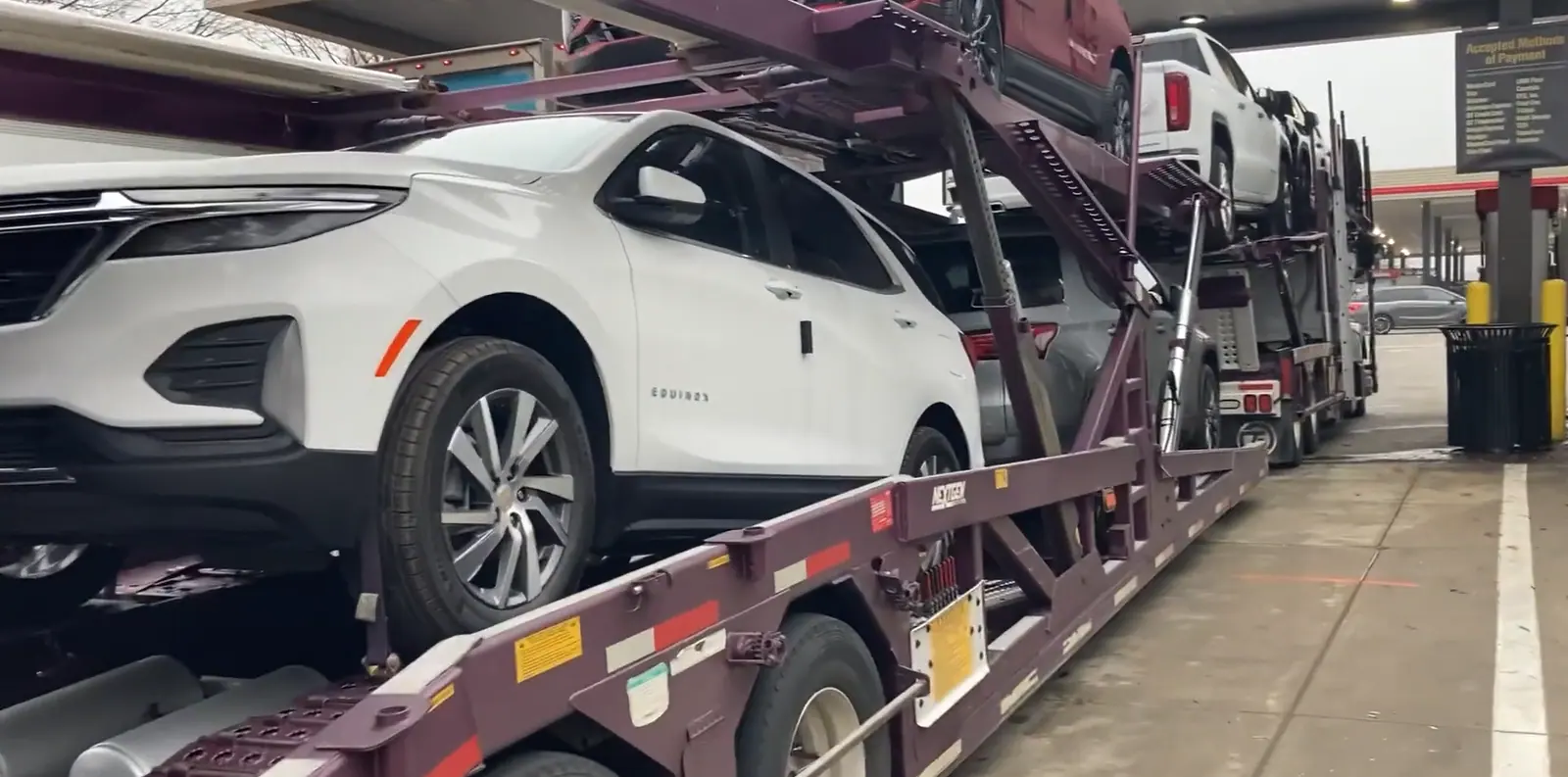
Usually the day before with a time range, and again when they're close. Have the car accessible, with about a quarter tank of fuel and one set of keys ready.
Meet where the truck fits
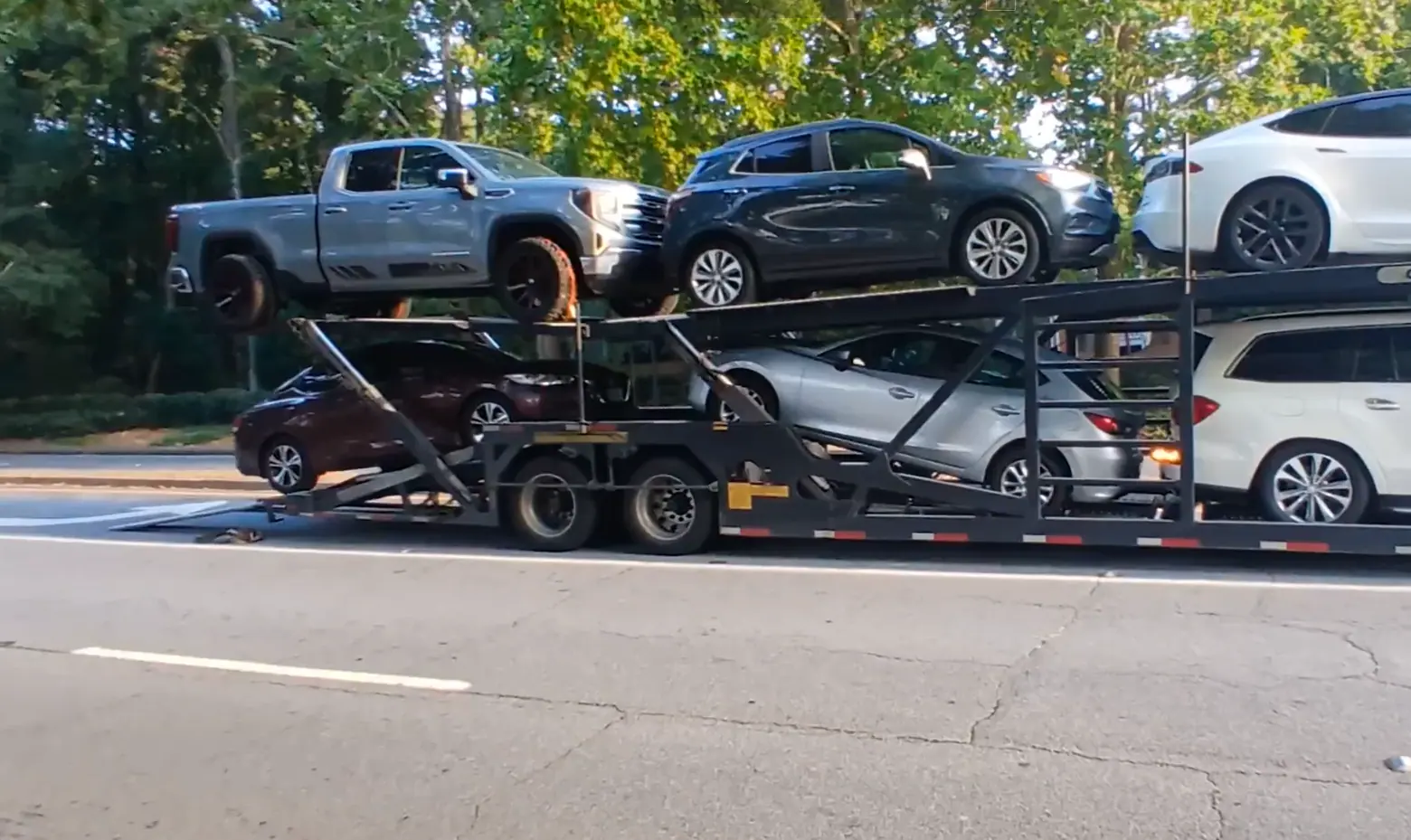
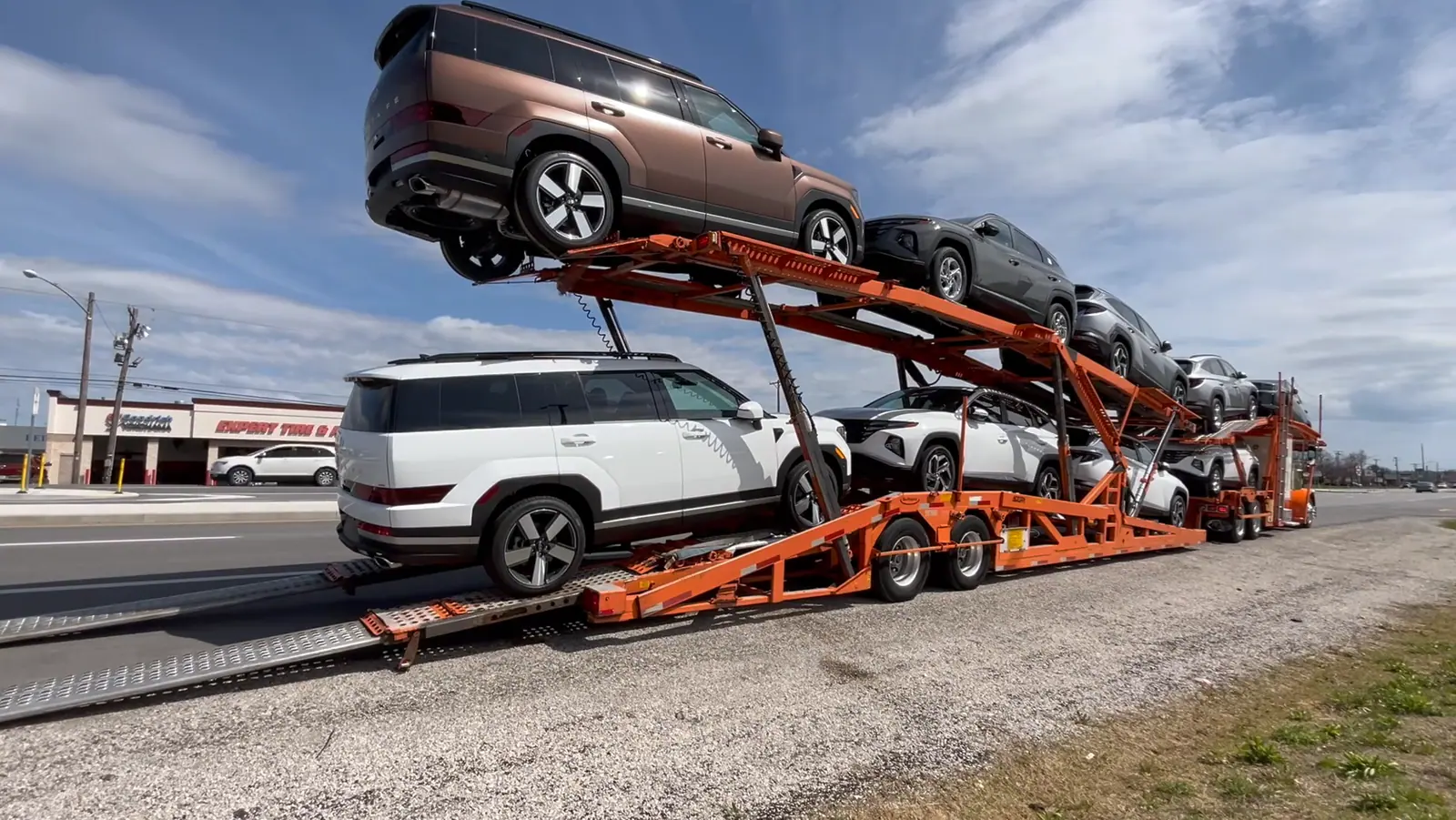
A loaded carrier is around 75 feet long. On a narrow street or inside a gated community, the driver may ask to meet at a nearby wide street or parking lot. We sort this out with you before dispatch.
Walk around the car together
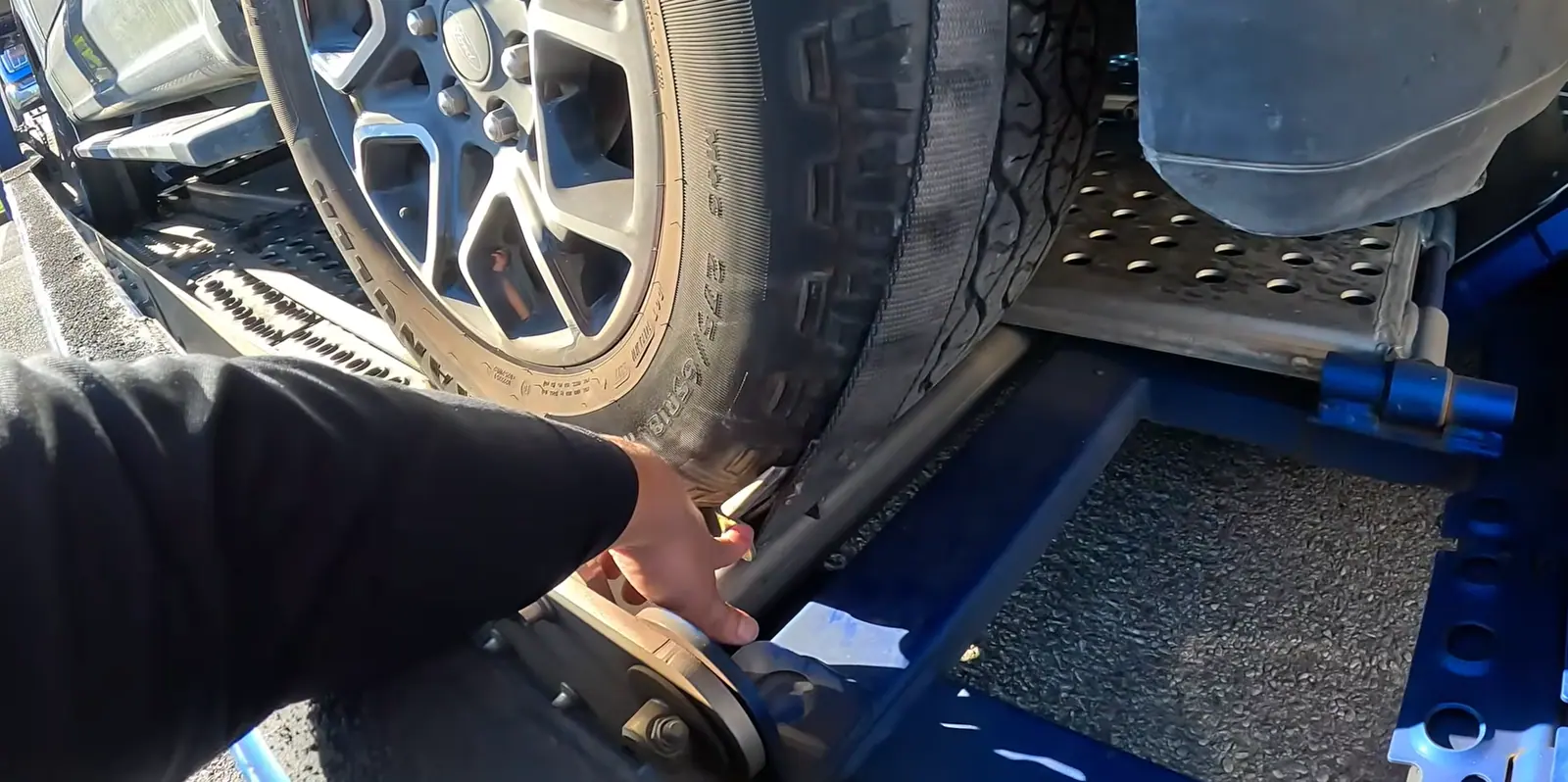
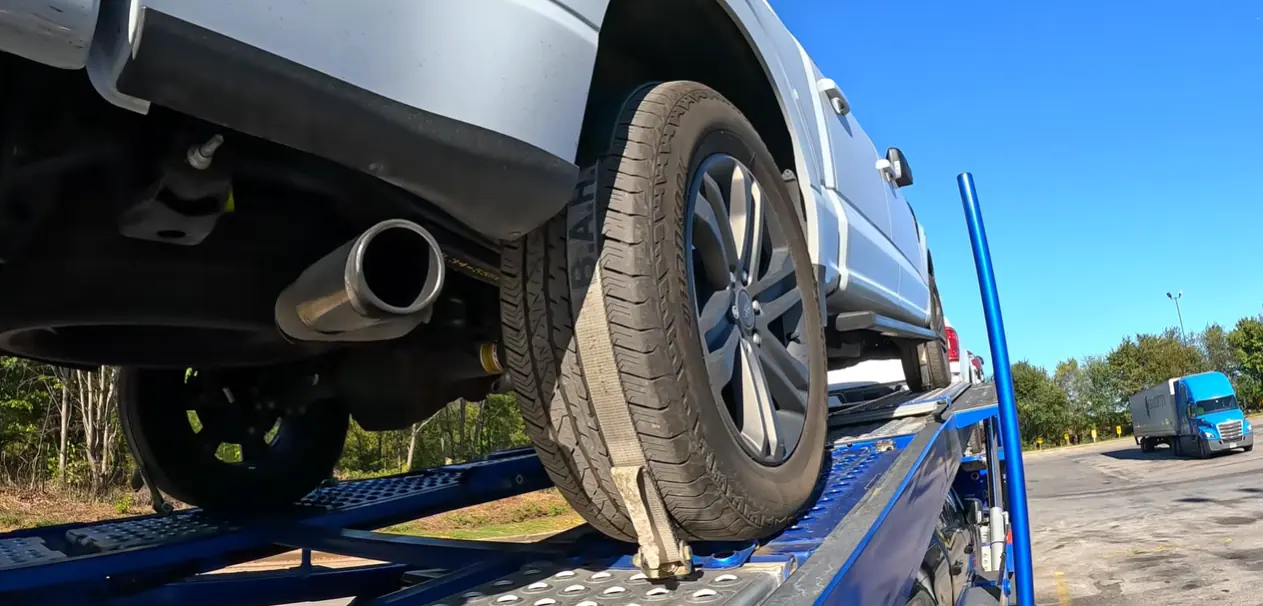
The driver notes existing scratches, dings and chips on the bill of lading, which is the inspection report and receipt in one. Take your own timestamped photos of every panel, the wheels and the odometer.
Sign and hand over the keys
You get a copy of the bill of lading. Keep it; you'll compare the car against it at delivery.
The full checklist, from toll tags to alarms to convertible tops, is in how to prepare your car for shipping.
Step 5: In transit
Your car rides with other vehicles headed the same direction, and the truck makes other pickups and deliveries along the way. Federal rules limit how long a driver can be on the road each day, which is why a long trip takes days rather than hours; how long car shipping takes has the math. You hear from us when the car is picked up, when the delivery window firms up, and when the driver is close. If you have a question in between, you can reach us.
Step 6: Delivery
The driver calls ahead again, you meet where the truck fits, and the car comes off. Before you sign anything, walk around it with the bill of lading from pickup in your hand. If you see something new, write it on the bill of lading and photograph it, then sign. Noting damage at delivery is what protects your claim; a clean signature says the car arrived as it left. After that, the keys are yours.
Common questions
Can I track my car on a map while it ships?
What if I'm not available for pickup?
Can the car be delivered to a different address than I gave?
What happens if the driver is delayed?
More answers on the full FAQ, including payment, insurance and vehicle types.
Start at step one
Two ZIP codes, the car and your dates. You'll have an all-in price before you decide anything.