Car shipping pricing, explained
What moves the price of shipping a car, what our all-in number covers, and an honest word about the cheapest quote in your inbox.
How car shipping is priced
There's no rate card for shipping a car, because the price is really the cost of a specific spot on a specific truck heading a specific direction on a specific week. Carriers price that spot by the mile, and the rate per mile falls as the trip gets longer: a 300-mile hop costs more per mile than a 2,500-mile crossing, even though the long trip costs more in total. Everything else adjusts that base.
We quote one all-in figure for your shipment rather than a base rate plus a list of surcharges. The sections below explain what pushes that figure up or down, so you can see where you have choices.
Typical car shipping cost by distance
What the market charges for a standard sedan by trip length, open and enclosed, with the per-mile rate and typical days on the truck. These are estimates to orient you; your quote is the real number.
| Distance | Open | Enclosed | Per mile | Transit |
|---|---|---|---|---|
| Under 500 milese.g. Los Angeles to Phoenix | $350–$550 | $500–$850 | $0.95–$1.49 | 1–2 days |
| 500–1,000 milese.g. Houston to Orlando | $600–$925 | $875–$1,425 | $0.62–$0.95 | 2–3 days |
| 1,000–1,500 milese.g. New York to Miami | $675–$1,075 | $975–$1,675 | $0.53–$0.84 | 3–4 days |
| 1,500–2,000 milese.g. Chicago to Phoenix | $825–$1,275 | $1,200–$1,975 | $0.47–$0.73 | 4–5 days |
| 2,000–2,500 milese.g. Dallas to Los Angeles, via San Francisco | $975–$1,525 | $1,425–$2,375 | $0.42–$0.66 | 5–7 days |
| Over 2,500 milese.g. New York to Los Angeles | $1,125–$1,750 | $1,625–$2,725 | $0.40–$0.63 | 6–8 days |
Estimates, not quotes. Ranges reflect publicly advertised rates for a standard sedan on an open carrier as of November 2026. Enclosed transport typically runs about 1.5× the open rate, and SUVs and pickups usually add $100–$200. Your all-in price depends on the exact addresses, the vehicle, the season and carrier availability on your dates. Figures checked November 2026.
What affects the price
| Factor | Effect | What you can do |
|---|---|---|
| Distance | The biggest driver of total cost. Per-mile rate drops as distance grows. | Nothing to change; the car is going where it's going. |
| Lane and direction | Busy corridors (I-95, I-75, I-10) have more trucks and steadier prices. Rural ends, and the quiet direction of a seasonal lane, cost more. | If pickup or delivery is far from an interstate, meeting the truck in a nearby town can help. |
| Vehicle size and weight | A truck has a fixed amount of deck space and a federal weight limit. A three-row SUV or pickup takes more of both than a sedan. | Give the exact model and any modifications up front so the quote is right the first time. |
| Open or enclosed | Enclosed carriers haul fewer cars and are fewer in number, so the same trip costs more. | Choose enclosed for collector, exotic or very low cars; open for daily drivers. See open vs enclosed. |
| Running or not | A non-running car needs a winch-equipped carrier and more loading time. | Tell us honestly. A surprise on pickup day costs more than a quote that accounts for it. |
| Season | Fall southbound and spring northbound snowbird traffic, and summer relocations, fill trucks and raise prices. | Book earlier in peak months, and give a wider pickup window. |
| Lead time and flexibility | A short notice or a single fixed date narrows the trucks that can take the job. | A two-to-four-day window is the cheapest flexibility you can offer. |
| Expedited pickup | Paying for priority gets your car loaded sooner. | Use it when the date matters more than the money. See expedited shipping. |
Open vs enclosed, in dollars and sense
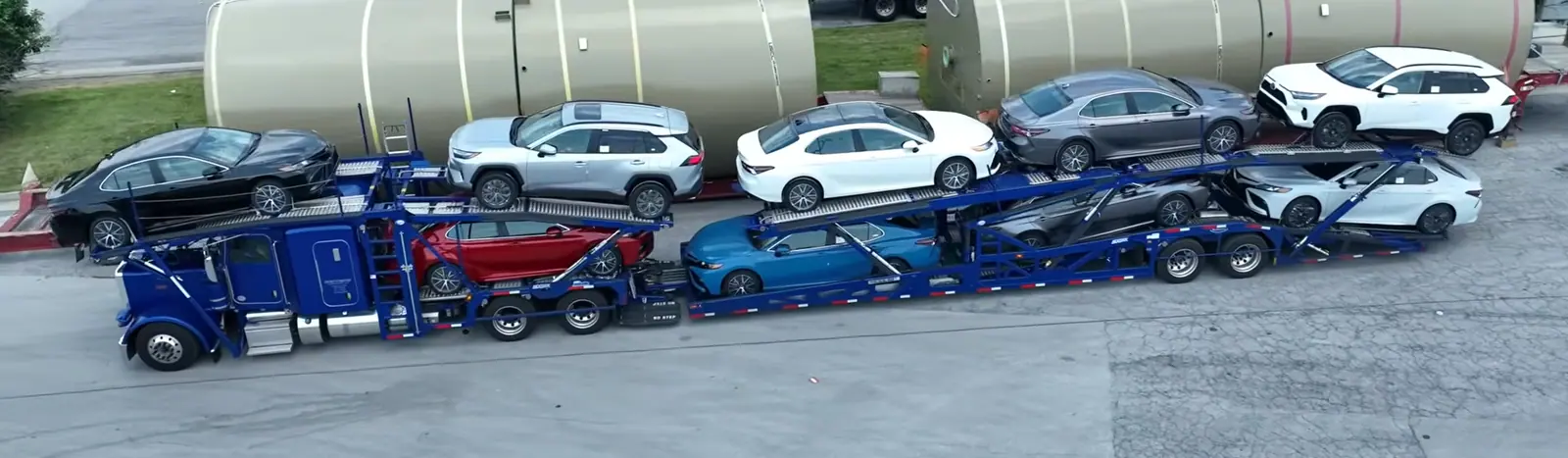
Most cars ship on open carriers, the two-level trailers that deliver new cars to dealerships. They're plentiful, so they're the baseline price. Enclosed carriers protect the car from weather and road debris, but they carry fewer vehicles and there are fewer of them on the road, so the same trip costs more and may take longer to schedule. The right question isn't "is enclosed worth it?" in general; it's whether this particular car, on this particular trip, needs it.
Seasonality
Car shipping follows the calendar. From October through December, trucks heading to Florida and Arizona fill with snowbird cars, and the same trucks head north nearly empty, which is why the return direction can be cheaper in the fall and dearer in April. Summer brings relocations and college moves. January and February are quieter nationally, except for the winter-visitor states. If your dates are flexible, moving a shipment a few weeks off a peak can change the price. If they aren't, booking early is how you keep options.
What our all-in price includes
- Transport from the pickup address to the delivery address, or the nearest point a car carrier can safely reach.
- The carrier's cargo insurance while your vehicle is in its care, with the carrier's authority and insurance checked before dispatch.
- Standard loading and unloading, including winch loading when you've told us the car doesn't run.
- On trips between Canada and the US, the customs handling at the border.
- Support from quote to delivery, from people who can see your shipment.
What it doesn't include: anything you didn't tell us about. An undisclosed lift kit, a car that turns out not to start, or an address a truck can't reach can change the price on pickup day. The fix is simple: describe the car and the location accurately, and the quote holds.
About "cheap car shipping"
You'll see quotes online that are far lower than everyone else's. Sometimes that's a real bargain on a lane with spare capacity. More often it's a price no carrier will accept, posted to win the booking. The shipment sits unassigned while the customer waits, and the price climbs to what the market actually was, or the pickup window quietly slips.
We don't position ourselves as the cheapest. We quote what it takes to get your car on a truck in your window, explain what moves the number, and let you decide what's worth paying for. If a lower price elsewhere comes with a written pickup window and a named carrier, take it seriously. If it doesn't, ask what happens when no truck accepts it. The cost guide goes deeper on all of this.
Pricing questions
Do you charge per mile?
Is a deposit required?
Will my price change after I book?
Why did my quote go up when I asked for enclosed?
Is it cheaper to meet the truck somewhere instead of door-to-door?
Get the actual number
The factors above become one price once we know your car, your addresses and your dates.