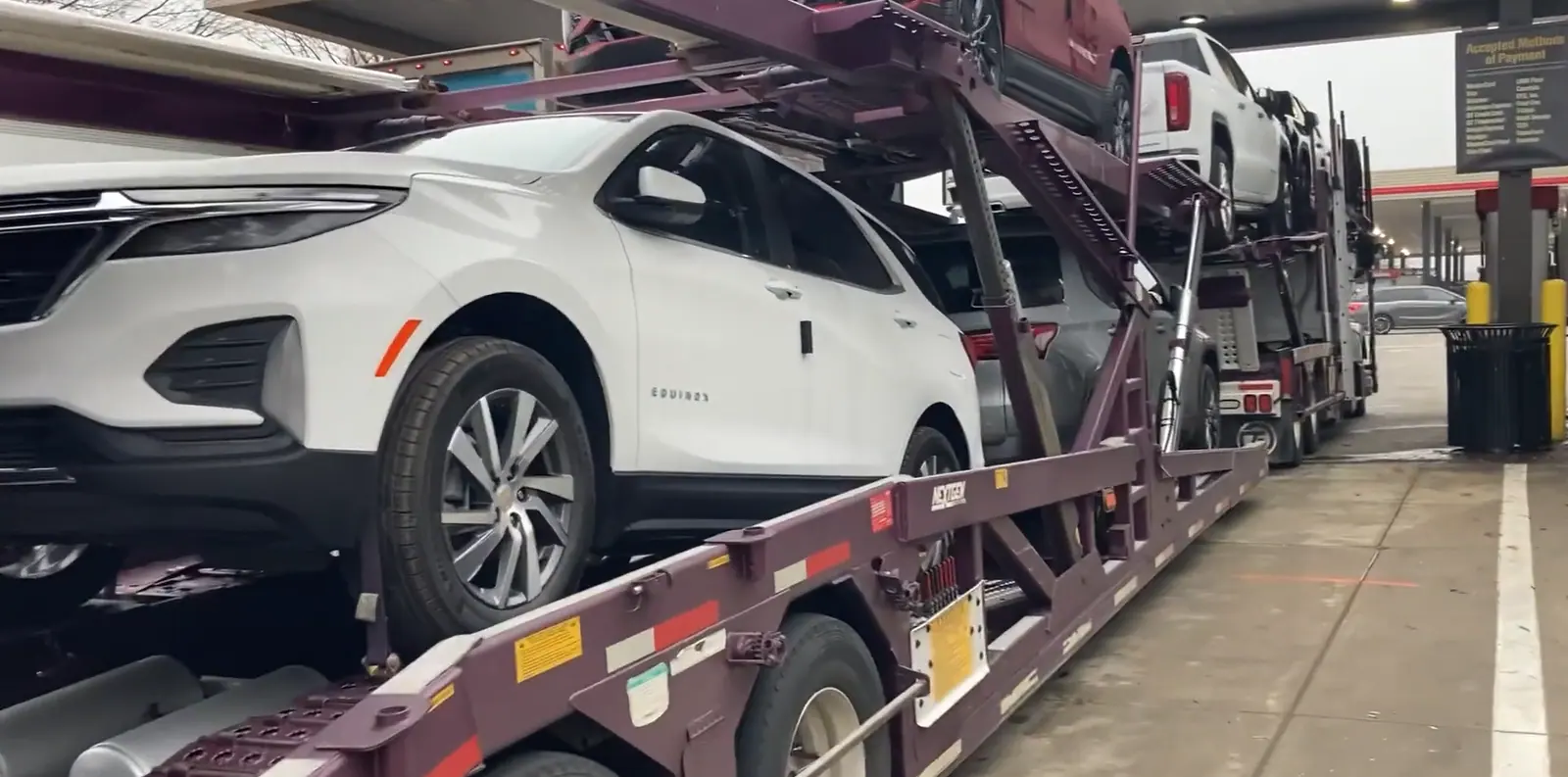
Door to door, most car shipments take somewhere between a few days and about two weeks. Your answer has two parts that people tend to blur together: how long it takes to get your car onto a truck (the pickup window), and how long the truck takes to get it there (transit).
Transit is the predictable part, set by distance and by federal limits on how long a driver can drive each day. The pickup window is where season, location and flexibility come in, and it's usually where a timeline is won or lost.
The short version
- Total time is the pickup window plus transit. Plan around both.
- Federal hours-of-service rules cap a driver at 11 hours of driving a day, so a loaded car hauler typically covers about 400–500 miles on a good day.
- Coast to coast is commonly about 7–10 days of transit after pickup; a trip of a few hundred miles is often 1–2.
- Peak seasons, rural addresses, winter weather and access problems at either end add time.
- Expedited service shortens the wait for pickup. It can't make the drive faster than the law allows.
Two clocks: the pickup window and transit
The pickup window runs from your first available date to the day a driver actually loads your car. Car haulers build loads along a route, and your car has to fit onto a truck that's headed your way with an open slot. On a busy lane in a normal week, that window is commonly a few days.
Transit runs from pickup to delivery. It depends on the distance, the route, and how many other cars the driver is picking up and dropping off along the way. Our how it works page shows what happens at each stage and when you'll hear from us.
Why transit takes as long as it does
Truck drivers carrying cargo between states work under federal hours-of-service rules, and those rules set the pace of every shipment:
- 11 hours of driving, maximum, within a 14-hour on-duty window that starts when the driver begins work. Stops for loading and fuel count against the window.
- A 30-minute break after 8 hours of driving.
- A weekly cap of 60 hours over 7 days or 70 hours over 8, which resets with 34 consecutive hours off.
Do the math with real-world interstate speeds, traffic, weigh stations and fuel stops, and a loaded car hauler typically covers about 400–500 miles on a good day. Every other car on the trailer adds a stop. Loading or unloading one car properly, with the inspection, takes time, and a driver delivering eight cars will make eight of those stops.
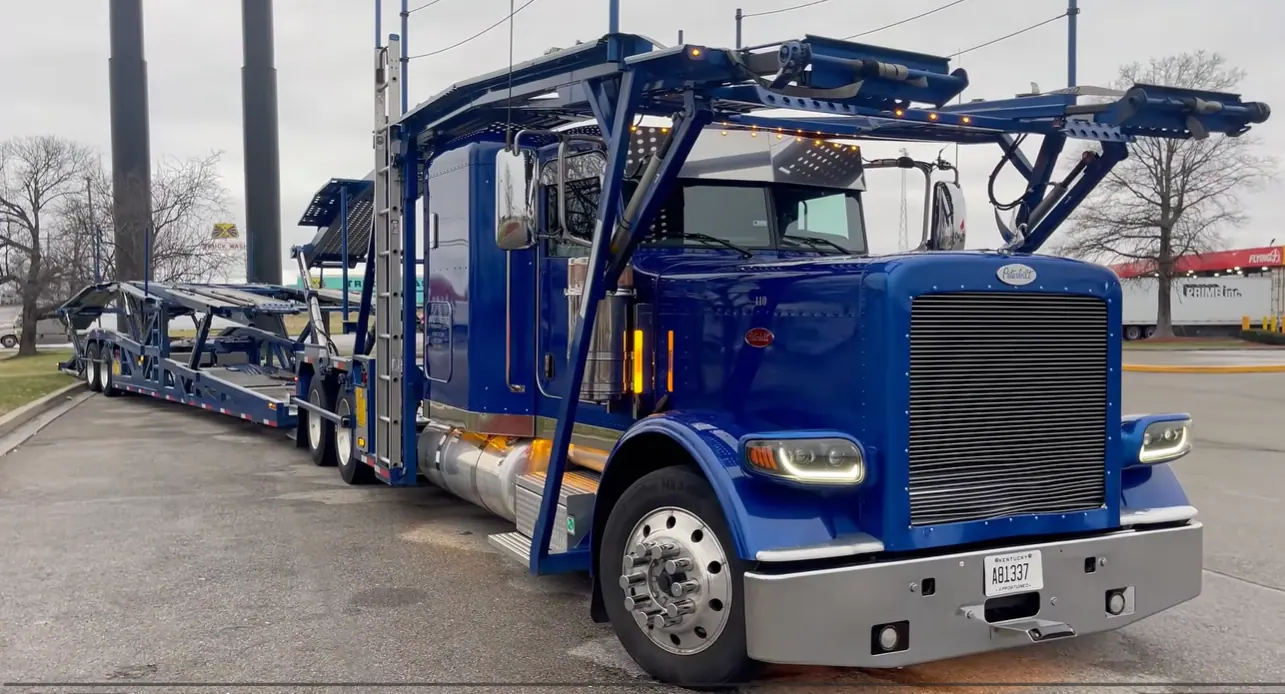
Typical transit times by distance
These are typical ranges after pickup on open carriers, not promises. Your quote gives a window for your specific lane.
| Distance | Typical transit after pickup | Example |
|---|---|---|
| Under 500 miles | 1–2 days | A regional move within the same state or a neighboring one |
| 500–1,000 miles | 2–4 days | Atlanta to Miami; Chicago to Atlanta |
| 1,000–1,500 miles | 3–5 days | New York to Florida, Texas to Florida |
| 1,500–2,000 miles | 4–7 days | California to Texas, Chicago to Arizona |
| 2,000–2,500 miles | 6–8 days | Chicago to Los Angeles; Seattle to Chicago |
| 2,500 miles and up | 7–10 days | Coast to coast: New York to California, California to Florida |
Direction and season can stretch these ranges. Coming back north in spring on a lane like Florida to New York, your car competes for space with every other snowbird heading home at the same time.
What sets the pickup window
The pickup window is where most of the variation comes from. It's shorter when:
- The car is in or near a major metro on a main interstate, where trucks pass constantly.
- You give a range of dates rather than one fixed day.
- It's a quieter time of year on your lane.
- The car runs, fits a standard deck, and ships open.
- The price is realistic for the lane, so a carrier accepts it quickly. See what it costs to ship a car for why that matters.
And it's longer when the opposite is true: a rural address, a single fixed date, peak season, a non-running or oversized vehicle, or enclosed transport, which has fewer trucks on any given lane.
What slows a shipment down
Season
Snowbird season (south in the fall, north in the spring), summer moving season and the late-summer college rush all compress truck space. If you're shipping a student's car, our college car shipping page has timing tips for move-in and move-out weeks.
Weather
Winter storms on mountain passes and in the Midwest, and hurricanes along the Gulf and Atlantic coasts in late summer and fall, can stop trucks for a day or more. Drivers are right to wait them out.
Access and handoffs
If the truck can't reach the address, or nobody is there to receive the car, the driver may have to move on and come back. Agreeing on a meeting spot ahead of time and having someone available at delivery are the simplest ways to avoid a lost day.
The car itself
A dead battery, a leak or a car that turns out not to run on pickup day means a different truck. Our prep checklist covers what to check the week before.
Borders
Shipments between Canada and the US add a customs stop and the paperwork that comes with it, usually a matter of hours when the file is complete. Our snowbird guide explains how to keep that step short.
How expedited shipping actually works
Expedited car shipping pays a carrier to move your car to the top of its list. Depending on the lane, that can mean a truck adjusting its route to fit you in, or a smaller rig hauling only a few cars. It mainly shortens the pickup window. Transit can be a little faster too, with fewer stops along the way.
What it can't do is beat the hours-of-service rules. A solo driver still has 11 hours behind the wheel per day. Be wary of anyone promising a cross-country delivery in two or three days.
Planning around a hard deadline
If a date can't move, like a job start, a lease ending or a report date on military orders, plan backward from it:
- Work out the transit range for your distance from the table above, then add a few days for the pickup window.
- Make the car available earlier than you think you need to. A car that ships early is easier to plan around than one that ships late.
- Have a backup for the gap, like a rental or a ride, for the first day or two after you arrive.
- If you're relocating on orders, our military PCS car shipping page explains how to time pickup around your report date.
Questions readers ask
Can I get a guaranteed delivery date?
How long does it take to ship a car across the country?
Where does my car stay overnight?
Will I know when my car is getting close?
Written by the Tailwind Auto Transport team. This guide is general information, not legal, tax or immigration advice; rules change, so confirm anything critical with the agency involved.