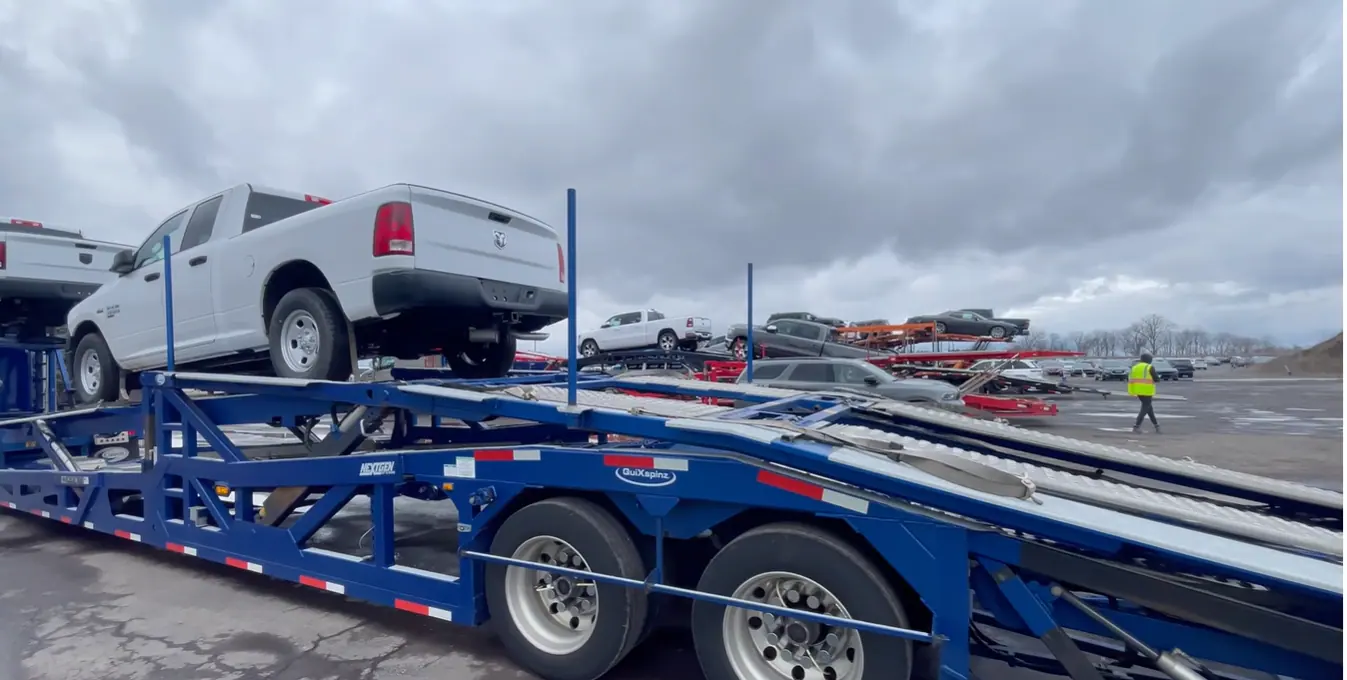
US to Canada car shipping
Two very different trips north: a Canadian car going home after the season, and a US-bought car becoming Canadian. We set yours up as the right one.
Which northbound trip is yours?
"Shipping a car to Canada" covers two situations that look alike on a map and are nothing alike at the border. Figuring out which one you're in is the first thing we do.
| Coming home | Importing a US vehicle | |
|---|---|---|
| Typical customer | A snowbird or a Canadian back from a temporary US stay | A Canadian who bought a car in the US, or someone moving to Canada with a US-registered car |
| Registration | Canadian, and it never stopped being | US title, to be registered in a province |
| Main paperwork | Proof of ownership and the trip's documents, reported to CBSA by the carrier | CBP export filing, CBSA import, RIV Form 1, recall clearance, provincial registration |
| Lead time | A couple of weeks is usually enough | Allow extra time. The US side alone needs documents at the port 72 hours ahead |
If your car went south in the fall on our snowbird service, you're in the first column. If the car has a US title, you're in the second, and the rest of this page matters a lot.
How the trip north works
Bringing your Canadian car home
We schedule pickup at your winter address, the driver records the car's condition, and the carrier reports the vehicle to the Canada Border Services Agency before arriving at the port. CBSA treats any car arriving by commercial carrier as an import, even one that left Canada a few months earlier, so the reporting has to be right. Returning Canadian vehicles don't go through the Registrar of Imported Vehicles.
Importing a US-bought car
Check admissibility and recalls
Transport Canada publishes which US vehicles can be imported. You'll also need a recall clearance letter from the manufacturer confirming there are no open safety recalls on the VIN.
Clear the US export
CBP requires the original title and export documents, including an electronic export filing, at the port at least 72 hours before a used vehicle leaves the US by land. A car with a lien needs the lienholder's permission to be exported.
Import at the Canadian border
The vehicle is declared to CBSA, a Vehicle Import Form (Form 1) is completed, and duty and taxes are paid.
RIV inspection and provincial registration
After entry, you complete the RIV process and inspection within the deadline RIV sets, then register the car in your province.
What affects the price going north
Transport pricing follows the season more than anything. Northbound demand out of Florida and Arizona peaks from March through May, when snowbirds of every nationality head home, and eases the rest of the year. Beyond that:
- Where the car starts. Southwest Florida and the Phoenix area sit on major interstates. A pickup in a small Texas town is a longer reach.
- Where it's going. The GTA, Montreal and the Lower Mainland are the easiest deliveries. Northern Ontario or interior BC take more time.
- Type of trip. An import needs more document handling and timing around the US export window.
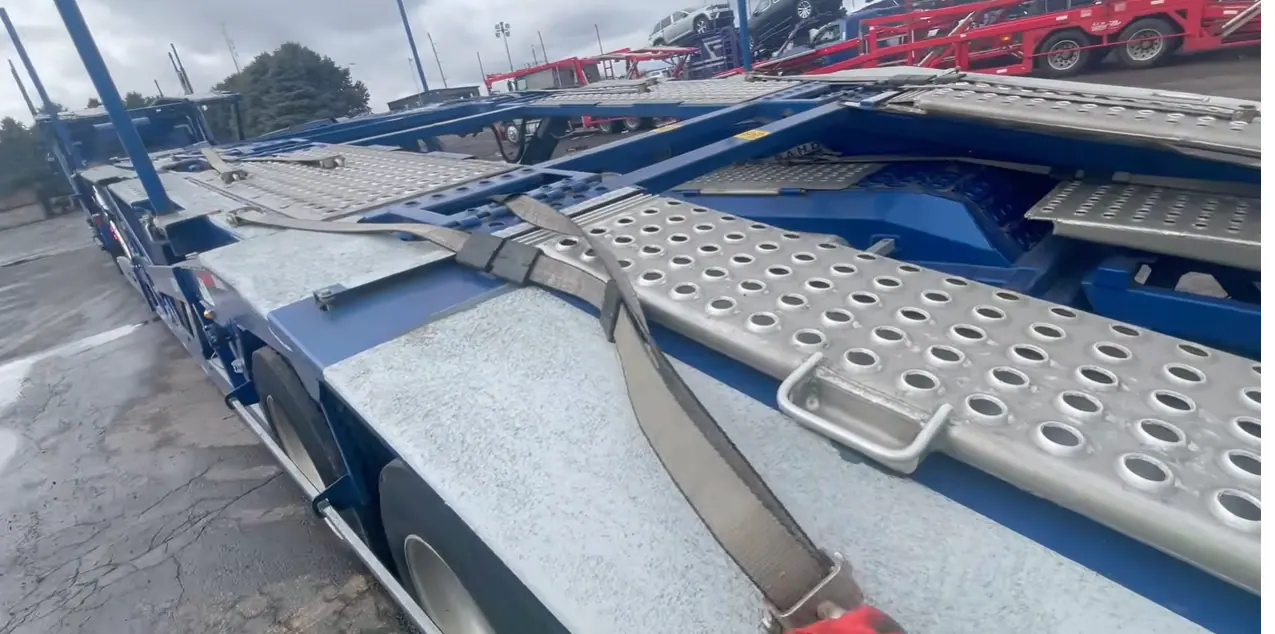
- Vehicle and carrier type. Size, weight, and open versus enclosed.
Our quote covers transport and the carrier's border handling. On a permanent import, government charges are paid to the agencies and aren't part of the shipping price: CBSA duty if the car isn't of CUSMA origin, GST/HST, the air-conditioning excise tax and the federal Green Levy where they apply, plus the RIV fee. We'll tell you which ones to expect.
Timeline
A return trip from Florida to the Toronto area typically runs 4–7 days once the car is loaded; see Florida to Toronto. Arizona back to the Lower Mainland is a similar length; the corridor is described on Vancouver to Arizona. The constraint is the pickup window in spring: if you're aiming for the weeks around Easter, book by February.
An import adds steps before the truck can roll: the recall letter (allow a week or more), a lien release if there is one, and the 72-hour CBP export window. Build in two to three extra weeks from purchase to delivery.
What to have ready
For a Canadian car coming home
- A scan of your passport and current Canadian registration.
- Copies of the paperwork from the trip south, if you shipped the car down.
- A signed authorization for the carrier.
- An empty car. Florida purchases go in your suitcase, not the trunk.
For a US-bought car
- The original US title, signed over to you, and the bill of sale.
- A lien release, or the lender's written permission if a loan remains.
- The recall clearance letter from the manufacturer.
- Your passport or proof of status in Canada.
Customs on both sides, without the guesswork
Leaving the US. CBP's rule for exporting used vehicles requires the title and export documents at the port at least 72 hours before a car crosses by land. That clearly applies to a US-titled car being imported into Canada. For a Canadian-registered car going home after a temporary stay, the paperwork is lighter, and we confirm the exact list for your vehicle at booking rather than guessing.
Entering Canada. The carrier reports the vehicle, and anything in it, to CBSA before arrival. That's why we ask for an empty car. Returning Canadian cars skip the RIV. Imports go through it: Form 1 at the border, the RIV fee, and an inspection within RIV's deadline. Then comes provincial registration, which in Ontario usually includes a safety standards certificate.
The return lane, written up
The busiest trip home is Florida back to Ontario in spring. Other return lanes follow the same process; ask for a quote with your two addresses.
Common questions
Does my Canadian car have to go through the RIV when it comes home?
What is the CBP 72-hour rule?
Can I import any US car into Canada?
Will I pay duty on a car bought in the US?
My US car still has a loan on it. Can it be exported?
Can you ship the car to my door in Canada?
Can I bring things back in the car?
Routes where this comes up
All routes- Florida to Toronto car shippingI-75, or I-95 to I-77 · about 4–7 days in transit
- Vancouver to Arizona car shippingI-5 to I-10, or I-84 and I-15 inland · about 5–8 days in transit
- Toronto to Florida car shippingI-75 or I-77 to I-95 · about 4–7 days in transit
- Montreal to Florida car shippingI-87, then I-95 or I-81 · about 4–7 days in transit
Cities we serve
All citiesOften paired with
All services- Canada to US shippingYour car crosses the border with the right papers in the file, picked up at your door in Canada and delivered to your door in the States.
- Snowbird shippingFly south and have your own car waiting, then do it again in reverse when the snow melts. Both legs planned around the season.
- Door-to-door shippingNo terminal to drive to and no lot to collect from. The carrier comes to your address at both ends, or as close as the truck can safely get.
Get it home, or get it registered
Tell us where the car is, where it's going in Canada, and whether it's coming home or being imported. We'll send one all-in transport price and the document list.