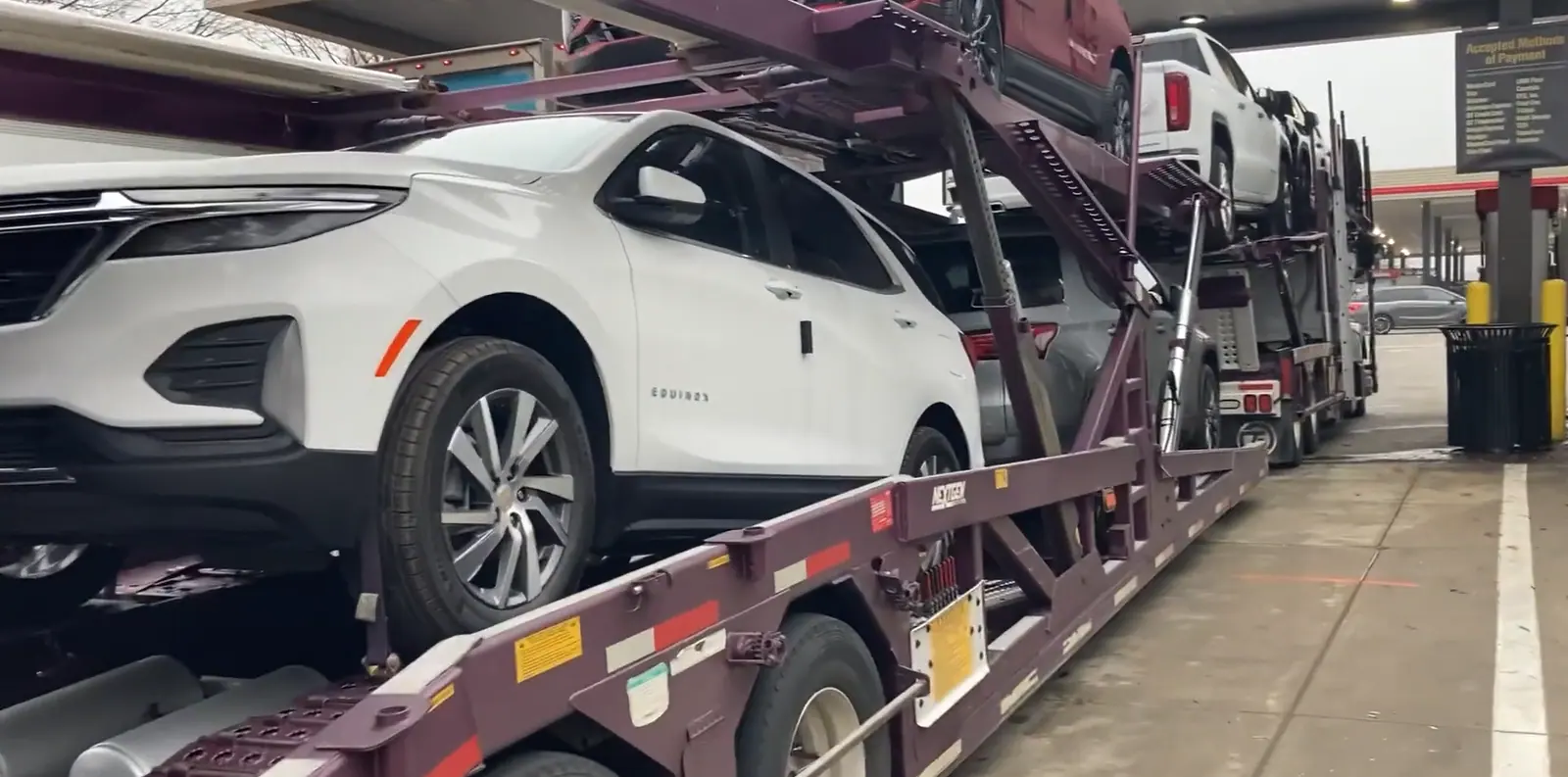
Corporate relocation car shipping
Your employee's car arrives about when they do, the invoice goes to the company, and nobody in HR has to chase a truck driver.
Who books it, and what they need from us
When a company moves someone across the country, the car is one of a dozen moving parts: the household goods move, temporary housing, a start date, sometimes a home sale. HR teams and relocation management companies (RMCs) don't need a car shipping lesson. They need the car to arrive on time, a clean invoice, and an employee who isn't calling them about it.
- In-house HR and mobility teams handling a handful of moves a year, or a steady stream.
- Relocation management companies coordinating vehicle moves as part of a managed relocation package.
- Employees on a lump-sum package who book and pay themselves and want a straightforward, all-in price to stay within budget.
How a relocation shipment runs
Authorization from the company
Tell us who's approving the move, the employee's name and contact details, the vehicle, the origin and destination, and any reference you need on the invoice (a PO, cost center or file number).
We schedule directly with the employee
We work out the pickup window with the employee around their packing date, final day at the old address and start date, so HR isn't relaying messages.
Updates to everyone who needs them
The employee hears about pickup, transit and delivery timing. The company contact gets the milestones it asked for, not a running commentary.
Delivery and documents
The car is delivered to the new home or temporary housing. The bill of lading with both condition reports goes into the relocation file along with the invoice.
What affects the price of a relocation move
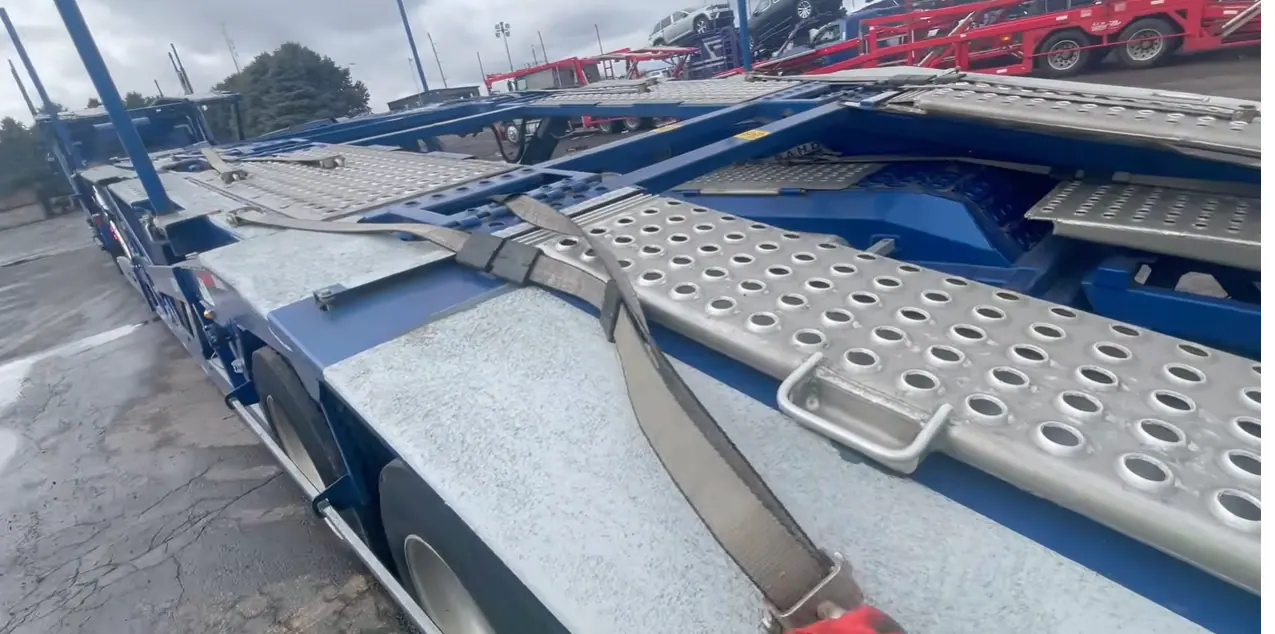
A relocation shipment is priced like any other car on the same lane. What's different is that a company policy often sets the terms: open carrier as standard, enclosed only by exception, door-to-door delivery to the new address. Tell us the policy and we'll quote inside it.
| Factor | What to know for a relocation |
|---|---|
| Lane and distance | Major relocation corridors like California to Texas and New York to California have plenty of trucks. |
| Date flexibility | A two-to-four-day pickup range costs less than a single required date. If the start date is fixed and close, expedited dispatch is the lever. |
| Number of vehicles | Many households have two cars. When both go, multi-car shipping covers whether they ride together. |
| Vehicle size | Full-size SUVs and pickups take more carrier space and weight than sedans. |
| Open or enclosed | Most relocation policies specify open transport. Enclosed is quoted separately if the employee's vehicle calls for it. |
The quote is all-in, so finance isn't reconciling surprise line items after delivery. Invoicing to the company or RMC, with your reference number on it, is set up at booking.
Timing around a start date
The usual plan is for the car to arrive about when the employee does, or a few days after if they're starting in temporary housing. Work backward: transit for the distance (a cross-country move is typically about a week to ten days on the truck; shorter moves, a few days), plus the pickup range at the front. Contacting us two to three weeks before the move gives the most choice of carriers. In the summer relocation peak, earlier is better.
If the employee needs a car on day one, budget for a few days of rental car or plan for the car to ship before they fly out. For distance-by-distance ranges to build the schedule around, read how long does car shipping take.
What the employee needs to do
We send the employee a short prep list directly. Here's what's on it, so HR knows what's being asked:
- Empty the car. Household goods go with the moving company. The carrier insures the vehicle, not its contents, so anything left inside rides at your own risk.
- Leave roughly a quarter tank, and hand the driver one key.
- Take photos of the car on pickup day.
- Remove toll tags and building or parking passes from the old address.
- Check the delivery address: temporary housing, apartment complexes and new subdivisions sometimes restrict large trucks, so a nearby meeting point may be needed.
- Plan for registration in the new state. Most states set a deadline after you become a resident; the new state's motor vehicle agency has the details.
Moves into and out of big cities
A lot of corporate moves start or end in places where a 75-foot car carrier can't simply pull up to the door. In Manhattan or a Chicago high-rise, the employee usually brings the car out of a parking garage to a wide street or a nearby lot, at a time agreed with the driver. Our local pages for New York and Chicago cover how that works, and we sort out the meeting point with the employee before pickup day so it doesn't become a phone call to HR.
Suburban destinations are usually simpler, though new subdivisions and gated apartment communities sometimes have their own truck rules. Lanes like Texas to California and New York to California often end at temporary housing first, so we confirm the delivery address with the employee a few days out.
Curious how we work with carriers behind the scenes? Our guide to how arranging transport differs from hauling it explains who does what.
Common questions
Can you invoice our company instead of the employee?
Do you work with relocation management companies?
Who schedules pickup with the employee?
How far ahead should we book?
Can the car go to temporary housing?
What documentation do we get for the relocation file?
What if the employee's start date moves?
Routes where this comes up
All routes- California to Texas car shippingI-10, or I-40 to Dallas · about 4–7 days in transit
- New York to California car shippingI-80, I-70 or I-40 west · about 7–10 days in transit
- Chicago to Florida car shippingI-65 to I-75 · about 3–6 days in transit
- Texas to California car shippingI-10, or I-20 to I-10, or I-40 · about 4–7 days in transit
Cities we serve
All citiesOften paired with
All services- Expedited shippingWhen the date can't move, we put a stronger offer in front of carriers on your lane so your car gets picked up sooner. Here's what that can and can't do.
- Door-to-door shippingNo terminal to drive to and no lot to collect from. The carrier comes to your address at both ends, or as close as the truck can safely get.
- Multi-car shippingTwo cars, three cars, a whole household's worth. Sometimes they belong on one truck and sometimes they don't, and we'll tell you which.
Take the car off HR's list
Send us the employee, the vehicle, the lane and your invoicing details. We'll quote it all-in and handle the scheduling from there.