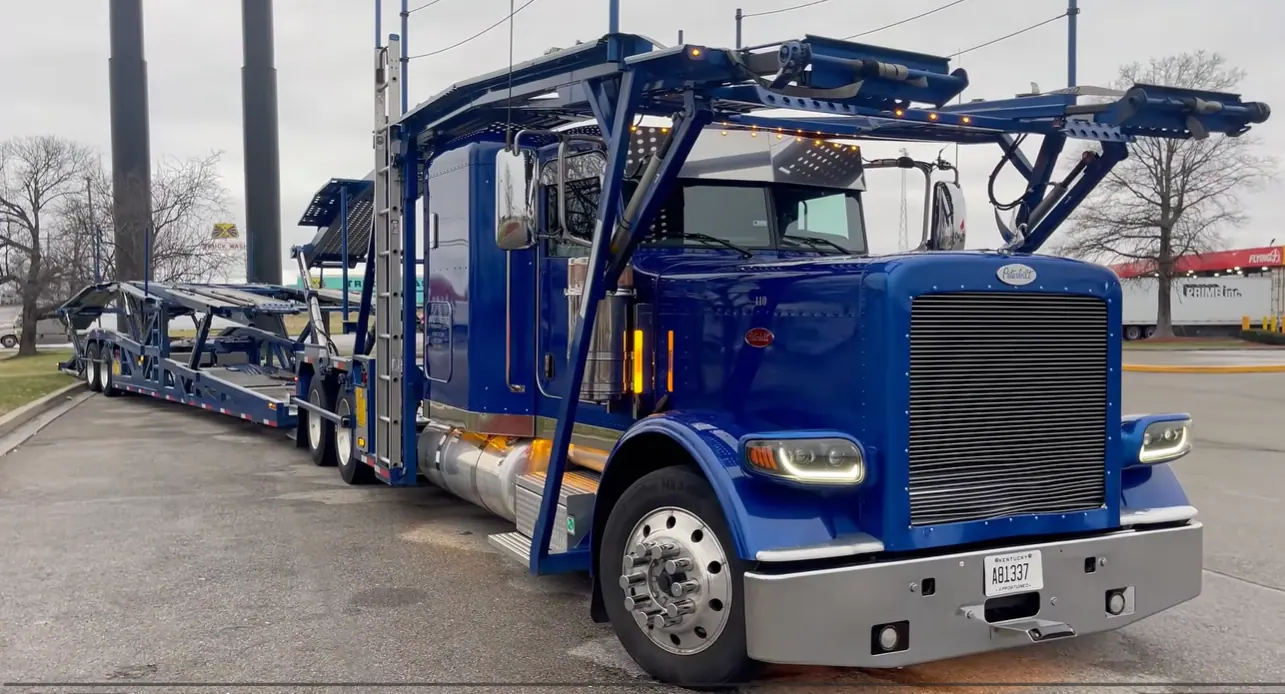
A carrier owns or operates the truck and the driver that physically move your car. A broker arranges the move: it finds and checks a carrier, books your car onto that carrier's truck, and manages the shipment from quote to delivery. Many of the auto shipping companies you'll find online are brokers. That isn't a warning sign in itself; it's how much of the industry is structured.
What matters is whether the company you hire, of either type, is properly registered, honest about its role, and clear about who is actually hauling your car. This guide explains both models, what each is responsible for, and how to check any company in a few minutes.
The short version
- Carriers haul; brokers arrange. Both must be registered with the FMCSA to work interstate.
- Brokers need FMCSA broker authority and $75,000 in financial security, and they aren't allowed to present themselves as carriers.
- You can look up any company's registration, authority and insurance filings on FMCSA SAFER and the Licensing & Insurance system.
- Red flags: pressure to commit, a quote far below everyone else's, no written terms, or a request to wire full payment to an unknown party.
- Cargo insurance belongs to the carrier, so whoever you book with, ask who the carrier is and ask to see its certificate.
Two business models, one shipment
Car haulers range from owner-operators with a single truck to companies running large fleets. Each tends to run particular routes on a rhythm: the Northeast to Florida, the Midwest to Texas, the West Coast up and down I-5. A carrier is the right direct choice when it happens to run your exact lane in your window.
A broker works across many carriers at once. Its value is reach and coordination. When no single carrier is running your lane this week, a broker can find one that is, check that it's properly authorized and insured, and give you one point of contact through to delivery. Plenty of carriers fill some of their trailer slots through brokers, so the two models work together far more than they compete.
What each is legally responsible for
| Question | Carrier | Broker |
|---|---|---|
| Physically moves the car | Yes | No; arranges a carrier to do it |
| FMCSA registration | USDOT number and for-hire operating authority | Broker operating authority with the FMCSA |
| Financial requirement | Liability insurance on file with the FMCSA | $75,000 financial security: a BMC-84 surety bond or BMC-85 trust fund |
| Cargo insurance on your car | Carried by the carrier | Not the primary coverage. Some brokers add contingent coverage, which doesn't replace the carrier's. |
| Who you contract with | The carrier, if you book directly | The broker, which then contracts with a carrier |
| Damage claims | Against the carrier's cargo insurance | Still against the carrier's insurance; a good broker helps you file and follows up |
| How it must advertise | As a carrier | Federal rules require brokers to show broker status and not present themselves as carriers |
One practical point follows from that table: whoever you book with, the insurance that covers your car in transit is the carrier's. That's why "who is hauling my car, and can I see their insurance?" is the most important question you can ask.
How to check any auto transport company in five minutes
Get the numbers
Ask for the company's USDOT number and its MC (operating authority) number. A legitimate interstate company has them and shares them readily, and many list them on their website or quote.
Look it up on FMCSA SAFER
The FMCSA's SAFER Company Snapshot is free and public. Search by USDOT or MC number and check three things: the legal name matches the company you're talking to, the entity type (carrier, broker or both), and the operating status shows it's authorized.
Check authority and insurance on L&I
The FMCSA Licensing & Insurance system shows whether the operating authority is active and whether the required insurance or broker bond is on file.
Ask for the carrier's insurance certificate
Whether you book a broker or a carrier, ask who will haul your car and for a copy of that carrier's certificate of insurance.
Read the terms before you pay
Look for the total price, what's included, when payment is due and to whom, and the cancellation terms, all in writing.
Our reviews page explains how to run these checks on us, and our carrier page lists the documents we require from every hauler we work with.
Red flags, whoever you hire
- Pressure. "This price expires in an hour" or a push to pay before you've seen terms.
- A quote far below everyone else's. It often means an order that sits unclaimed until the price goes up. Our guide to what it costs to ship a car explains why.
- No written terms covering the total price, the payment schedule and cancellation.
- Full payment by wire, gift card or app to an unknown party, especially before a carrier has even been assigned.
- No USDOT or MC number, numbers that don't match the company name on SAFER, or an authority that isn't active.
- Vague answers about insurance, or "you're fully covered" with nothing in writing.
- A broker presenting itself as the carrier, or a carrier you can't identify until pickup day.
What a good arranger actually does
The difference between a good and a bad broker isn't the business model. It's what happens between the quote and the delivery. A good one:
- Checks the carrier before every load: active authority, insurance on file, a safety record worth trusting, and equipment that fits your car.
- Prices to the real market for your lane, so a qualified carrier accepts the load instead of it sitting unclaimed.
- Tells you who's hauling your car and keeps you updated at pickup, in transit and before delivery.
- Handles the exceptions, like a truck breakdown, a weather delay or an address the rig can't reach, by finding another way rather than leaving you to sort it out.
- Stays with you on paperwork and, if it comes to it, a damage claim.
That's the job as we see it at Tailwind: we arrange your transport through carrier partners we check before every load, and we tell you who's carrying your car. Our about page explains how we choose carriers, and how it works walks through a shipment from start to finish.
For business shippers
Dealers, auction buyers and relocation teams often use an arranger for the coordination: one contact, many carriers, consistent paperwork. See dealer and auction transport and corporate relocation car shipping.
Questions to ask before you book
- Are you a broker, a carrier, or both? What are your USDOT and MC numbers?
- Who will haul my car, and when will I know?
- Is this price the total, with fuel and insurance included?
- When is payment due, how much, and to whom?
- What are the cancellation terms?
- If my car is damaged, how is a claim handled, and who helps me with it?
If the answers come quickly and in writing, you're in good hands, broker or carrier. Deciding between trailer types too? See open vs enclosed car transport, and for timing, how long car shipping takes.
Questions readers ask
Is it a bad idea to use an auto transport broker?
Is my car insured if I book through a broker?
Can I find out which carrier is hauling my car?
Why do broker quotes vary so much?
Written by the Tailwind Auto Transport team. This guide is general information, not legal, tax or immigration advice; rules change, so confirm anything critical with the agency involved.