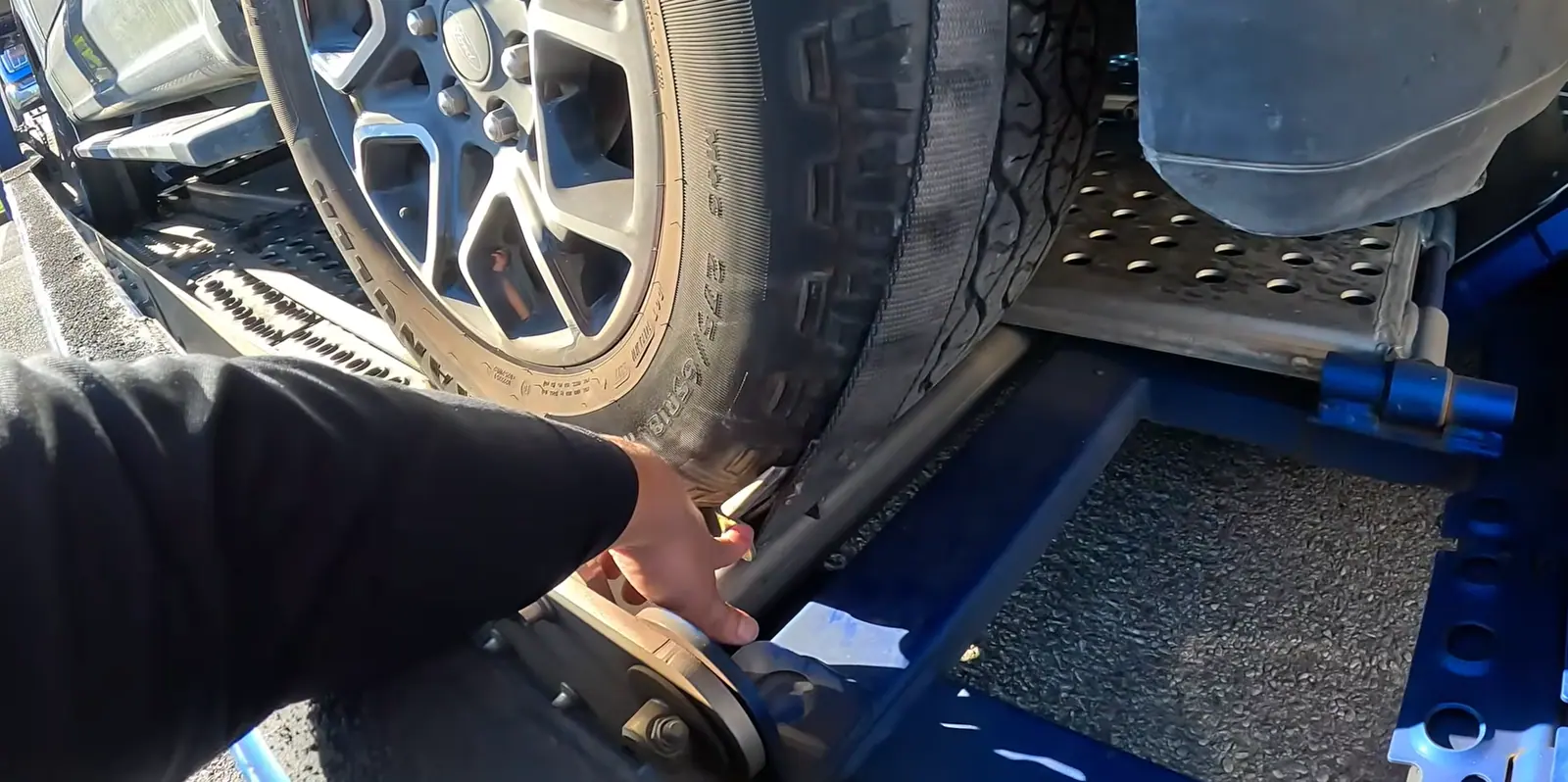
Getting a car ready to ship isn't complicated, and most of it fits into an hour the evening before pickup. The steps that matter most aren't about the car at all. They're about the record: a clean set of photos and a careful inspection on the bill of lading at both ends. If something does go wrong in transit, that record is what a damage claim rests on.
Below is the full checklist in the order you'll actually do it, with extra notes for electric vehicles, low or modified cars, and cars that don't run.
The short version
- Wash the car, then photograph every panel, the wheels, the roof and the odometer, with timestamps, on the day of pickup.
- Empty it. Personal items aren't covered by the carrier's cargo insurance, and they add weight and risk.
- About a quarter tank of fuel, or a moderate charge on an EV, is plenty.
- Remove toll tags, switch off alarms and camera modes, and hand over one key.
- Read the bill of lading before you sign at pickup, and inspect the car before you sign at delivery.
A week before pickup
A few things are easier to sort out now than on pickup morning:
- Check access at both addresses. A full car carrier is around 75 feet long. If you live on a narrow street, in a gated community with truck rules, or in a building with an underground garage (think a New York co-op or a downtown Chicago high-rise), plan a nearby meeting spot with room for a big rig to stop safely. Our how it works page explains how pickup and delivery are set up.
- Flag anything unusual about the car: a lift kit, lowered suspension, oversized tires, a roof box, a front splitter or a long antenna. It changes which carriers can take it, so tell us at the quote stage.
- If it doesn't run, say so up front. A car that won't start, steer or brake needs a winch-equipped carrier; see inoperable vehicle transport.
- Line up the handoff. If you won't be there, choose an adult who can meet the driver, hand over the keys and sign the inspection at each end.
- Shipping between Canada and the US? The car has to travel empty, customs may open it for inspection, and you'll need extra documents, including a lender's letter if it's financed. Request that letter now, and see the full list on our Canada to US car shipping page.
Wash it, then photograph everything
Dirt hides scratches. An inspection on a dusty car records less than it should, and that cuts both ways: an existing chip might not get noted at pickup, and a new one might be hard to prove at delivery. Wash the car a day or two before pickup, or the morning of.
Then take your own photos, on the day of pickup, in good light:
- All four corners and both sides, standing back far enough to get the whole panel.
- Close-ups of any existing damage: chips, dents, curb rash, cracked trim.
- Each wheel, the front and rear bumpers, and the roof (stand on a step stool if you can).
- The windshield and any existing stars or cracks.
- The interior, and the dashboard showing the odometer and any warning lights.
- A slow video walk-around as a backup. Keep timestamps on and save everything somewhere other than your phone.
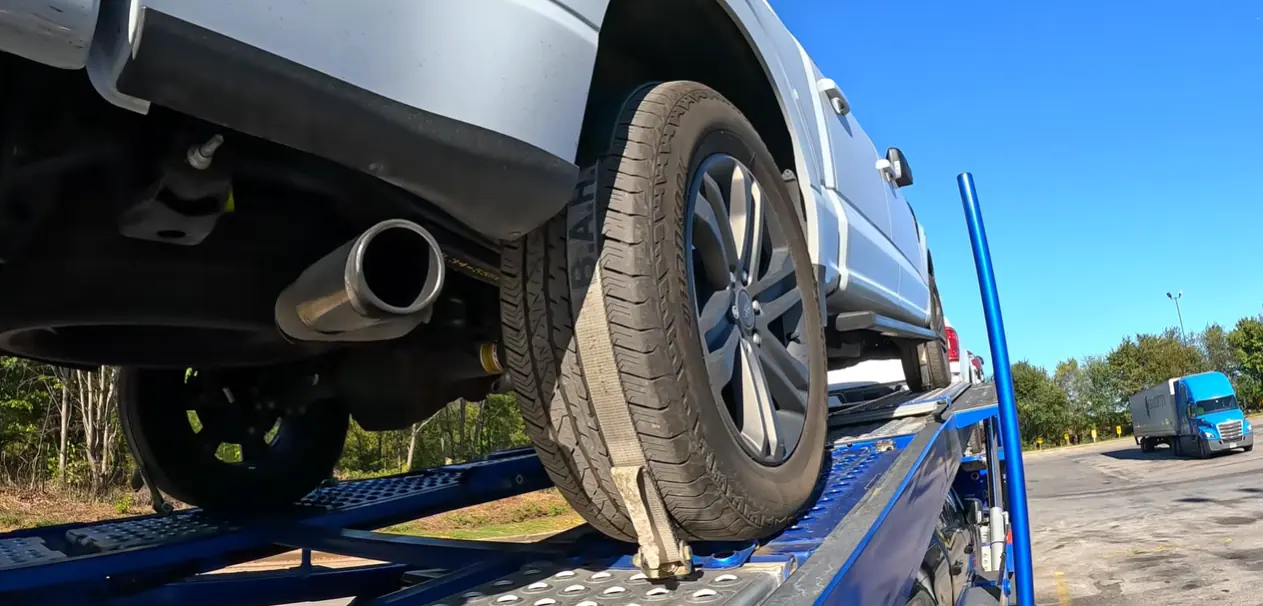
Empty the car, and know what can stay
Take your belongings out. The carrier's cargo insurance covers the vehicle, not what's inside it. Loose items can shift and crack trim or glass, and extra weight counts against the truck's limits. Some carriers allow a small amount in the trunk on domestic trips. If you want to do that, ask first, keep it light and keep it out of sight, and accept that it travels at your own risk.
Commonly forgotten
- Garage door openers and gate remotes
- Parking passes, building fobs and gas cards
- Child car seats (they count as personal items)
- Sunglasses, chargers, phone mounts and dash cams
- Registration and insurance documents you'll need at the other end. Keep copies with you.
What can stay: the spare tire, jack and tools, floor mats, and anything bolted to the car as standard equipment.
Fuel, battery, fluids and tires
- Fuel: about a quarter tank. That's enough for the driver to load and unload and for you to reach a gas station afterward. A full tank just adds weight.
- Battery: make sure it's healthy. A car that won't start at delivery has to be winched off, which slows everyone down. If the car has been sitting, drive it or charge it a few days before pickup.
- Leaks: fix them or tell the driver. A car dripping oil or coolant can't ride above other cars, and some carriers won't load it at all.
- Tires: inflate them to the normal pressure. Underinflated tires make strapping and loading harder.
- Parking brake: it should hold. If it doesn't, tell the driver before loading.
Electric vehicles
EVs ship on regular carriers every day. A few details are specific to them, and the full picture is on our EV shipping page.
- Charge level: enough for the driver to load and unload and for you to reach a charger after delivery. Many owners aim for somewhere around a third to a half. A full charge isn't necessary.
- Transport or tow mode: know how to put the car in it (Tesla calls it Transport Mode) and leave written instructions, in case it has to be moved without power.
- Camera and alarm modes off: turn off sentry-style recording and motion alerts. They drain the battery and can sound repeatedly on a moving truck.
- A physical key: leave a key card or fob. A phone-as-key won't work once you're gone.
- Weight: tell us the exact model. Some EVs are much heavier than the gas cars they resemble, which matters for where they load on the trailer.
Alarms, keys, toll tags and the exterior
- Alarm: disable an aftermarket alarm, or give the driver clear instructions for turning it off.
- Keys: hand over one working key. Keep the spare yourself.
- Toll tags: remove your E-ZPass, SunPass, FasTrak or TxTag transponder. Otherwise it may log tolls the truck passes through.
- Convertible top: put it up and latched, and check the seals. An older or delicate soft top is a good reason to consider enclosed transport.
- Low clearance: if the car is lowered or has a splitter, mention it at the quote stage so the carrier brings long ramps or a liftgate. Our classic and luxury car transport page covers the extra care these cars get.
- Loose exterior parts: take off bike and roof racks, fold the mirrors in if your car allows it, and retract or remove long antennas.
Not sure whether your car should go open or enclosed? Our guide to open vs enclosed car transport walks through it.
Pickup day: the bill of lading
The bill of lading (the BOL) is the inspection report and the shipping receipt in one document. It's the most important piece of paper in the whole shipment.
Walk around with the driver
The driver marks existing damage on a vehicle diagram. Walk around with them and compare it to your photos.
Check the details
Confirm the pickup and delivery addresses, the contact names and phone numbers, and the vehicle details.
Sign only when it's right
Never sign a blank or incomplete BOL. If something's missing, ask the driver to add it before you sign.
Keep your copy
Get a paper or electronic copy before the truck leaves. You'll need it at delivery.
Delivery day: inspect before you sign
Inspect the car before you sign for it, ideally in daylight. Compare it with the pickup BOL and your photos. If you find something new, note it on the BOL with the driver present and photograph it. Signing a clean delivery receipt and finding a scratch an hour later makes a claim much harder. Then let us know right away. Our car shipping FAQ covers what happens next.
If the timing of all this is what you're planning around, see how long car shipping takes. When you're ready, get a quote and we'll send the prep checklist with your booking.
Questions readers ask
Do I need to wash my car before shipping it?
Can I leave things in the trunk?
How much gas should be in the tank?
Do I have to be there for pickup and delivery?
Written by the Tailwind Auto Transport team. This guide is general information, not legal, tax or immigration advice; rules change, so confirm anything critical with the agency involved.